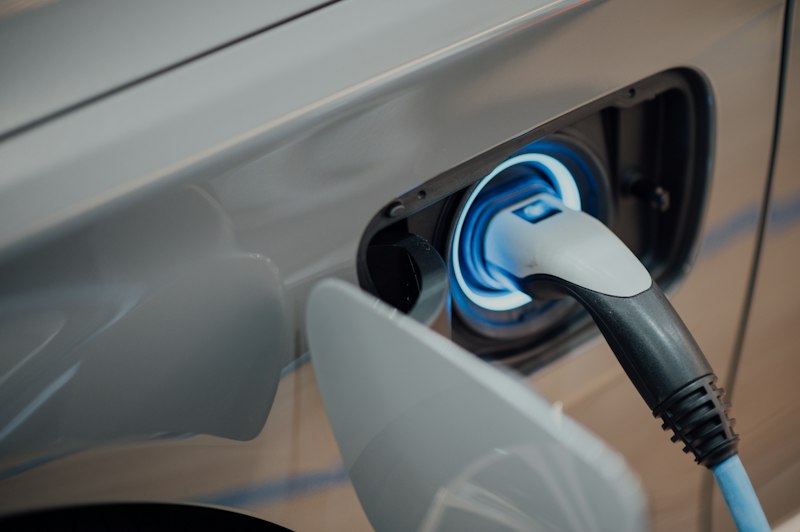
Electric vehicle adoption in America crossed a significant milestone in Q1 2026, with EVs accounting for 22% of all new vehicle sales — a market share that would have seemed fantastical five years ago. Falling prices, an expanding charging network, and more practical model options have finally moved EVs from enthusiast purchase to mainstream choice.
The Best-Selling EVs in America (2026)
- Tesla Model Y — Still America’s best-selling vehicle overall at $42,990 starting
- Chevy Equinox EV — The breakthrough affordable EV at $34,995; eligible for full $7,500 tax credit
- Ford F-150 Lightning — America’s best-selling electric truck; range issues resolved in 2025 update
- Hyundai Ioniq 6 — Fastest-charging EV in America; excellent range at $38,615
- Rivian R1T — Premium electric truck with loyal following among outdoor enthusiasts
Best EVs by Budget in 2026
Under $35,000: Chevy Equinox EV (effective ~$27,495 with tax credit), Nissan Ariya, Volkswagen ID.4
$35,000–$55,000: Tesla Model 3, Hyundai Ioniq 6, Ford Mustang Mach-E, Kia EV6
$55,000–$80,000: Tesla Model Y Long Range, BMW i4, Mercedes EQS SUV entry
Over $80,000: Tesla Model S Plaid, Rivian R1S, GMC Hummer EV, Lucid Air
The Charging Infrastructure Update
The U.S. now has over 185,000 public charging ports — up from 53,000 in 2020. Tesla’s Supercharger network opened to all EVs in 2024, and the combination of Tesla, Electrify America, ChargePoint, and BP Pulse has dramatically reduced range anxiety for most American driving patterns.
Should You Go Electric in 2026?
- Yes, likely: If you drive primarily urban/suburban, charge at home, and drive under 250 miles most days
- Consider hybrid instead: If you regularly drive long distances in rural areas or frequently tow heavy loads
- Best financial case: Buyers who qualify for the full $7,500 federal tax credit see EVs become cost-competitive with gasoline vehicles almost immediately