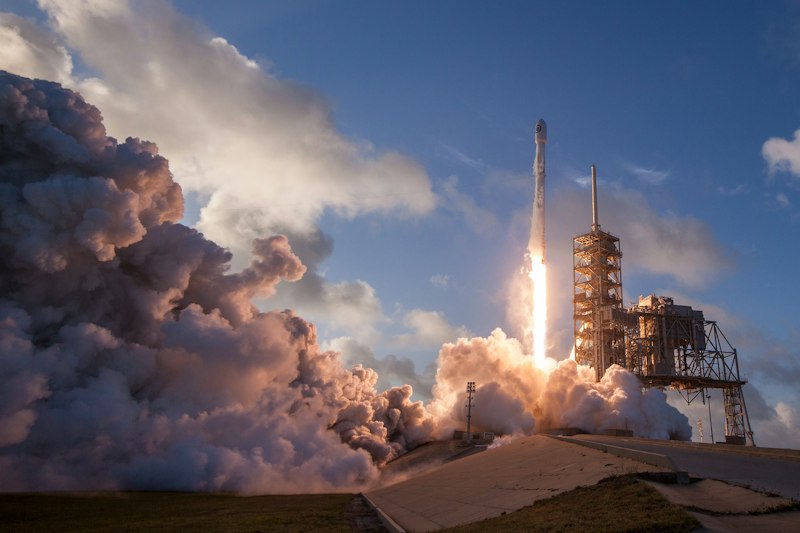
In a moment that has aerospace engineers cheering across the country, SpaceX’s Starship mega-rocket successfully completed a high-altitude test flight this week, marking what many consider the most important milestone since the program launched. The test included a controlled ocean splashdown of the Super Heavy booster and a precise re-entry of the upper-stage ship — demonstrating the reusability the vehicle will need for deep-space missions.
Why This Test Matters for NASA
NASA has chosen Starship as its Human Landing System (HLS) for the Artemis III mission, which aims to return American astronauts to the lunar surface for the first time since 1972. NASA Administrator Jared Isaacman confirmed following the test that Starship is now significantly closer to meeting the agency’s certification requirements.
Today’s test brings us one step closer to returning humans to the Moon — and ultimately, to Mars. — NASA Administrator Jared Isaacman
The SpaceX IPO Factor
The test comes just days after Elon Musk announced that SpaceX is exploring an initial public offering (IPO). Analysts estimate the company could be valued at over $350 billion, which would make it one of the largest IPOs in history. The timing has fueled speculation about how public investment could accelerate SpaceX’s mission timeline.
What Comes Next
The next major milestones for Starship include:
- A full orbital test with payload deployment — expected by late 2026
- A crewed lunar flyby mission in partnership with NASA
- First uncrewed lunar landing ahead of Artemis III
Competition Is Heating Up
Blue Origin, founded by Jeff Bezos, is also developing its own lunar lander system under NASA contract. The space race has become not just national but commercial, with billions of private dollars now competing alongside government funding. For everyday Americans, this competition is widely seen as beneficial — it drives innovation, reduces costs, and accelerates the timeline for technologies that will eventually benefit life on Earth.
Key Takeaways for American Readers
Whether you’re a space enthusiast or simply an American taxpayer who funds NASA, this week’s Starship test is genuinely significant. It validates years of investment, moves the Artemis moon program off the critical path, and signals that the United States is maintaining its leadership in space exploration — at a time when China’s lunar ambitions are also advancing rapidly.